July 27, 2026
Property owners are increasingly looking for attractive outdoor spaces without the constant upkeep natural grass requires. Traditional lawns demand regular mowing, watering, fertilizing, reseeding, and weed control, adding time and ongoing expense. In areas affected by drought, heavy foot traffic, poor soil, or unpredictable weather, maintaining a green lawn can become especially difficult. These challenges are leading more residential and commercial owners to consider alternatives that offer reliable performance and visual appeal.
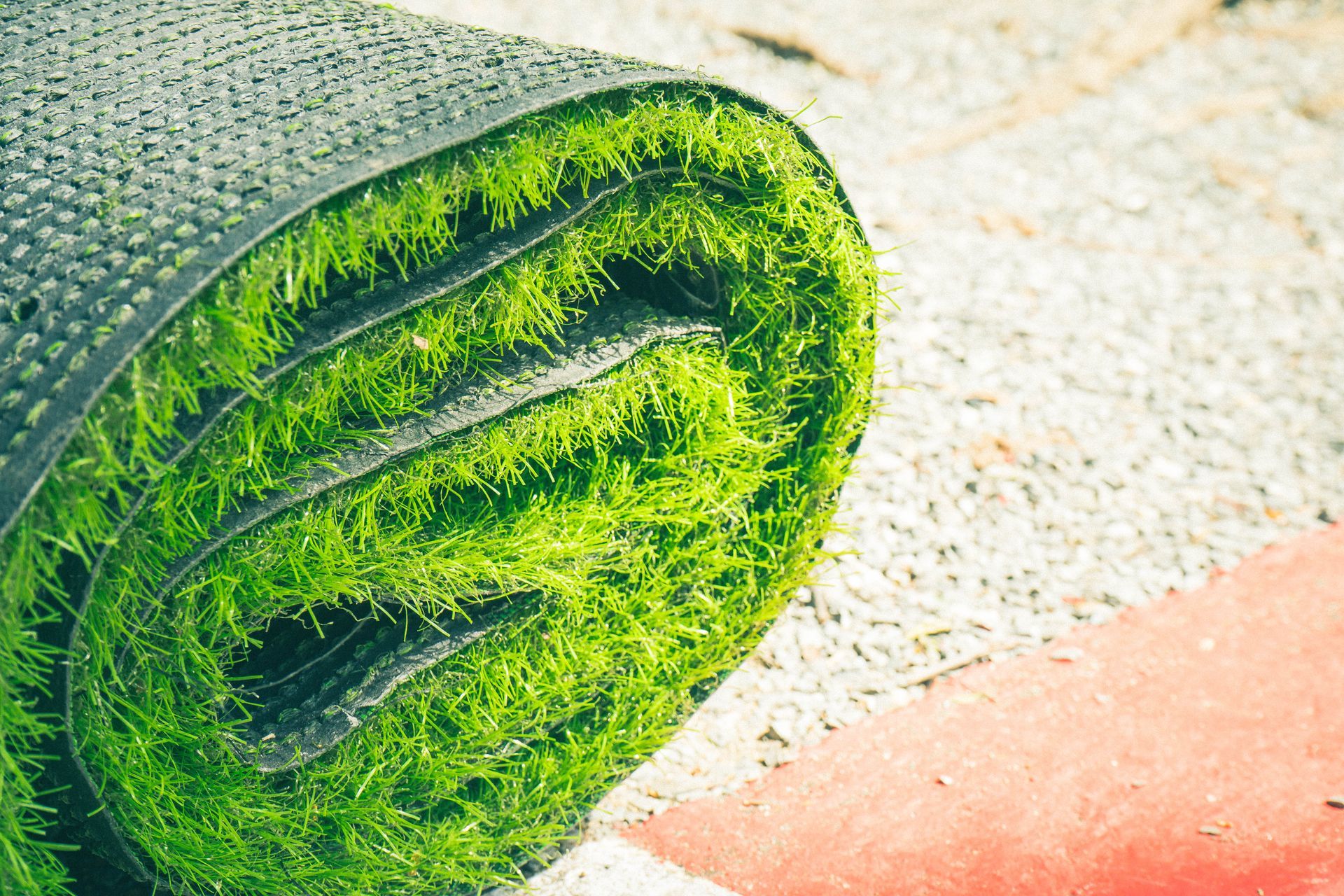
Turf installation provides a durable, low-maintenance option for yards, recreational areas, business properties, and other outdoor spaces. Modern synthetic turf is designed to resemble natural grass while remaining usable throughout the year. Property owners can choose from different textures, pile heights, colors, and performance features. As materials and installation techniques improve, artificial turf has become a practical investment for those seeking convenience, predictable appearance, and greater control over how outdoor areas function.
Reducing Ongoing Landscape Maintenance
One of the most common reasons property owners choose turf installation is the opportunity to reduce routine landscape work. Natural grass must be cut, watered, edged, fertilized, aerated, and treated for weeds or pests. Even when owners hire a landscaping company, these services create recurring costs that continue for as long as the lawn remains in place.
Synthetic turf eliminates many of these tasks. Property owners do not need to mow or apply traditional lawn fertilizers, and routine care typically involves removing debris, brushing high-traffic areas, and rinsing the surface as needed. This reduced maintenance can be especially appealing for busy homeowners, older adults, property managers, and businesses that want landscaped areas to stay neat without frequent labor.
Conserving Water Across the Property
Water use is another major consideration behind turf installation. Natural lawns often require regular irrigation, particularly during hot or dry periods. Large yards, commercial grounds, and common areas can consume significant amounts of water, creating higher utility bills and placing additional pressure on local supplies.
Artificial turf does not need routine watering to remain green. Occasional rinsing may be useful for cleaning dust, pollen, or pet areas, but this use is usually far less intensive than maintaining living grass. Property owners in drought-prone regions may find this especially valuable, while those in other climates can still benefit from more predictable water expenses.
Removing or reducing irrigation systems may also prevent common lawn-related problems. Broken sprinkler heads, leaking lines, uneven coverage, and water runoff can damage landscapes or waste resources. With a properly designed synthetic surface, owners can reduce dependence on irrigation while maintaining an attractive outdoor area throughout changing seasons.
Improving Appearance Throughout the Year
Consistent appearance is a strong reason many owners invest in turf installation. Natural grass can become thin, muddy, brown, or uneven because of heat, shade, disease, insects, foot traffic, or seasonal dormancy. Even with careful maintenance, certain sections may struggle to grow because of drainage conditions, compacted soil, or limited sunlight.
Synthetic turf creates a more uniform surface that is not affected by many of the conditions that damage living lawns. It can help front yards, courtyards, pool areas, and commercial entrances maintain a polished look in every season. This consistency is particularly useful for properties where exterior presentation matters, including rental communities, offices, restaurants, event spaces, and retail locations.
Product selection plays an important role in achieving a natural appearance. According to Bob Vila, artificial grass blades typically range from two to four inches in length. Different blade lengths, densities, colors, and thatch patterns allow property owners to choose turf that suits the intended setting rather than relying on a single standard look.
Expanding How Outdoor Spaces Function
Turf installation can help property owners make better use of areas that are difficult to maintain with natural grass. Shaded side yards, rooftop spaces, balconies, small courtyards, and heavily used pathways may not support healthy lawn growth. Synthetic turf can transform these locations into usable extensions of the property.
Families may use artificial turf for play areas, pet runs, putting greens, or gathering spaces. Businesses may install it in outdoor seating areas, event zones, display spaces, or employee courtyards. Because the surface does not depend on sunlight, soil quality, or routine irrigation, it offers greater flexibility when planning how a space will be used.
Supporting Durability in High-Traffic Areas
Durability is another important benefit of turf installation, especially in locations that experience repeated foot traffic. Natural grass can wear down quickly near entrances, play equipment, walkways, pet routes, or frequently used seating areas. Once the soil becomes compacted, restoring healthy growth may require reseeding, sod replacement, and temporary restrictions on use.
Quality synthetic turf is designed to withstand regular activity without developing the same bare spots or muddy patches. When installed over a properly prepared base, it can provide a stable surface with effective drainage. This makes it practical for active households, dog-friendly properties, schools, recreational spaces, and businesses with busy outdoor areas.
Durability does not mean the surface is maintenance-free, however. Owners should remove leaves and debris, address stains promptly, and brush fibers when necessary. Professional installation and appropriate product selection are also essential because the turf must match the expected traffic level, drainage conditions, and intended application.
Managing Long-Term Property Costs
Although turf installation requires an upfront investment, many property owners evaluate it in relation to long-term lawn expenses. Natural grass involves costs for water, fuel, equipment, fertilizer, weed treatments, pest control, repairs, and professional landscaping services. These costs can vary from year to year, making maintenance budgets difficult to predict.
Synthetic turf can reduce many recurring expenses once the project is complete. The financial value depends on the area's size, chosen material, preparation requirements, drainage needs, and current lawn care spending. Residential and commercial projects have different goals, but both can provide meaningful savings when designed around the property's needs.
Owners should consider quality rather than selecting turf based only on the lowest price. A professional installer can evaluate grading, drainage, seams, edging, infill, and base preparation before work begins. These details influence how the finished surface looks, drains, and performs over time. Investing in correct preparation can help prevent wrinkles, shifting, pooling water, or premature wear.
Increasing Confidence in Outdoor Improvements
Turf installation appeals to property owners because it combines appearance, convenience, and function in one improvement. It can reduce maintenance demands, conserve water, support heavy use, and create green spaces where natural grass may not grow successfully. These benefits make synthetic turf relevant for homeowners, landlords, facility managers, and business owners with a wide range of outdoor goals.
A successful project begins with realistic planning. Property owners should think about who will use the space, how much traffic it will receive, whether pets will be present, and how drainage currently works. They should also review product samples in person, compare textures and blade heights, and discuss maintenance expectations before selecting a material.
Professional guidance can help owners avoid choosing a product that looks appealing but does not suit the application. An experienced installer can recommend options for landscaping, recreation, pets, putting greens, or commercial use while explaining how the site will be prepared. With careful product selection and proper installation, synthetic turf can become a lasting part of the property rather than a temporary cosmetic upgrade.
Call Tee to Green Synthetic Turf Specialists LLC today to schedule your synthetic turf installation service.